One-time digital product vs monthly membership: if you are deciding between the two, the choice changes how you work, how you get paid and how stressed you feel every first of the month. This guide compares the two honestly, with the vendor’s own illustration of the recurring-income idea and the caveats it leaves out.

How a one-time digital product works
You make something once, such as an ebook, a template pack or a short course, and sell it for a single payment. It is simple to explain and simple to buy. The downside is the reset: whatever you earned last month does not carry over, so you need new buyers every month just to stay level.
How a monthly membership works
A member pays every month while they stay. Instead of selling the same thing again, you keep delivering value, such as fresh lessons, a community and answers to questions. The upside is income that can repeat. The downside is the work to keep members: weekly content, a place that feels alive and a real reason to stay.
One-time digital product vs monthly membership: the recurring income arithmetic
The Whop Engine sales page shows a simple illustration. A $27 one-time product with 20 buyers a month earns $540 every month. A $27 a month membership with 20 new members a month earns $540 in month one, $1,080 in month two and $1,620 in month three. The vendor calls it an illustrative example, not a prediction, and says it assumes members do not cancel.

That caveat is the whole story. Real members cancel, and finding 20 new members every month is the hard part in both models. The arithmetic shows why people like memberships. It does not show how likely any of those numbers are.
One-time product vs membership: a side-by-side
- Effort up front: a one-time product is usually less. A membership needs a course or community and a content plan.
- Effort over time: a one-time product is low after launch. A membership needs weekly content.
- Income pattern: one-time resets each month. A membership can stack while members stay.
- Risk: a one-time product can sit unsold. A membership can lose members.
- Buyer commitment: a one-time price feels easier to say yes to. A monthly fee asks for ongoing trust.
One-time digital product vs monthly membership: which fits you
If you want something simple to test and you do not want a weekly commitment, start with a one-time product. If you like teaching or hosting a community, and you can keep up a weekly rhythm, a membership suits you better. If you cannot decide, sell a one-time entry product and offer the membership as the next step.
Where AI tools change the effort
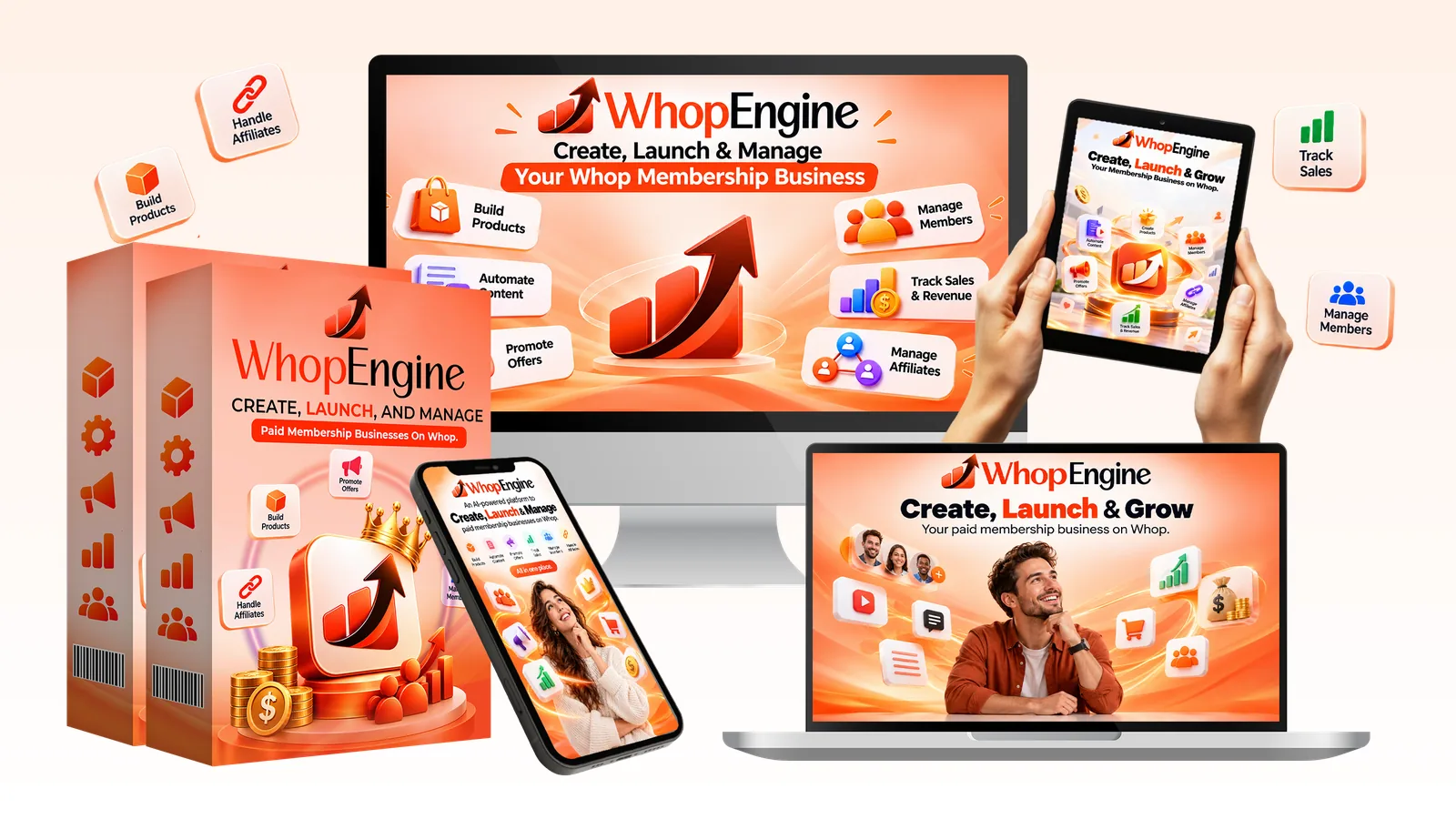
The heavy part of a membership is building the course, writing the weekly posts and designing the visuals. Tools now target exactly that. Whop Engine, for example, says its AI builds the offer, a welcome course, four weeks of community posts and store images, launches them on your own Whop account and posts fresh content weekly, for a one-time $14 launch price. We cover it in our Whop Engine review. It makes the building faster. It does not make anyone buy, and we have not tested the output.

A simple way to test your choice
- Write the offer in one sentence for each model.
- Ask ten people who fit the audience which one they would pay for.
- Build the smallest version of the winner.
- Judge it after 30 days on real sign-ups, not on hopes.
Frequently asked questions about one-time products and memberships
Is a membership better than a one-time digital product?
Neither is better for everyone. A membership can renew every month but needs members and fresh content. A one-time product is simpler but resets to zero each month.
What is the recurring income arithmetic?
The Whop Engine sales page gives an illustration: a $27 product with 20 buyers a month earns $540 a month, while a $27 a month membership with 20 new members a month earns $540, $1,080 and $1,620 in months one to three. That only holds if nobody cancels, and the vendor says so.
Do members really stay?
Some do and many do not. Retention depends on the value of each month’s content. Treat the vendor’s no-cancellation arithmetic as an illustration, not a forecast.
Can I sell both?
Yes. Many sellers use a one-time product as an entry offer and a membership as the ongoing option.
Can AI help with either model?
AI can draft the product, course, posts and images for both, but you still need to check quality and find buyers.
Final word on one-time digital product vs monthly membership
In the one-time digital product vs monthly membership choice, both models can work, and both need buyers. A membership trades a bigger up-front build and a weekly promise for the chance of income that repeats. If you want the practical steps, see how to start a paid membership on Whop as a beginner. If you are weighing tools, our best AI tools for affiliate marketing and guide to the best AI tools for making money online are good places to compare.
MMO Maker is an affiliate for Whop Engine and earns a commission on purchases through our links, at no extra cost to you, in line with the FTC’s endorsement guidelines. That does not change what we write here. We have not hands-on tested the app, and everything about it comes from the vendor’s own sales page, JV page and JV doc.